Jewish American Heritage Month

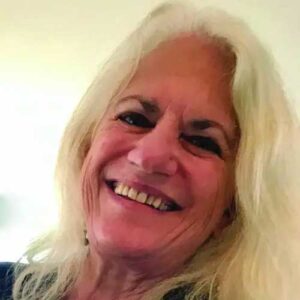
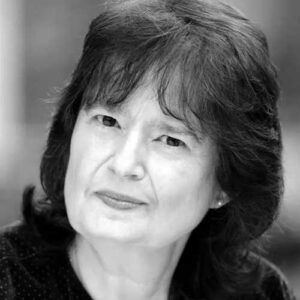
Poems about Jewish American Identity, from Dennis Lee, Wilderness Sarchild, and Fran Markover.
TRANSCRIPT
I want to read you part of a letter.
“…May the Children of the Stock of Abraham, who dwell in this land, continue to merit and enjoy the good will of the other Inhabitants; while every one shall sit in safety under his own vine and fig tree, and there shall be none to make him afraid. May the father of all mercies scatter light and not darkness in our paths, and make us all in our several vocations useful here, and in his own due time and way everlastingly happy…”
The letter was written in 1790 by America’s first president George Washington.
May is Jewish American Heritage Month. It recognizes the contributions American Jews have made, and continue to make, to American history, culture, and society. Even though there have been Jews in this country since the 1600s, long before we were a country, much of our sense of Jews and Jewishness and Judaism today is tied to later waves of immigrants, escaping persecution at the hands of various Eastern European cultures, culminating with the Nazis and WWII, with antisemitism still lingering in this country today.
We’re going to acknowledge Jewish American Heritage Month on this edition of Burning Bright with four pieces about how many contemporary American Jews formed and perceive their own identity.
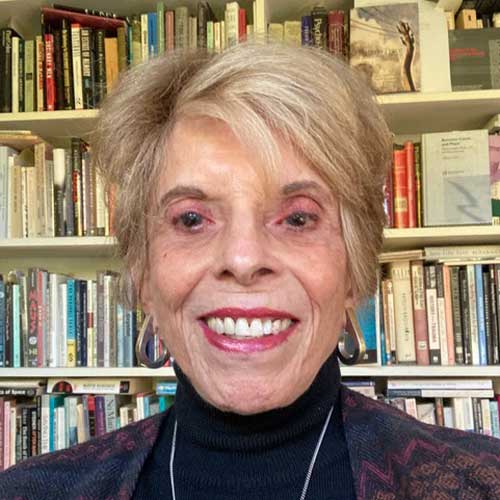
Here’s Dennis Lee’s poem “Coney Island – July 4, 1952.”
Uncle Nathan rubs back the hair
over blue numbers,
chants Hebrew psalms,
then slips away to a heavy wooden chair
planted to face the fence
where my father watches a ballgame
through slats that will never be fixed.
On its way to taunt Uncle Nathan,
Grandma’s beef smoke
oils the undersides of leaves on her favorite maple.
My father sprawls out, holds a sun reflector,
feet dug into sand
down to where it’s cool,
Grandma’s maple, parchment-dry.
Chicken fat soaks into brown paper bags
three floors up on the clean white kitchen windowsill.
I sit on the fire escape with kosher chicken and comics.
Grandma speaks Yiddish into the soup.
Tonight’s sky will be brighter than the Ferris wheel.
“Coney Island – July 4, 1952,’ Dennis Lee, from his Henry Morgenthau III prize winning book Tidal Wave.
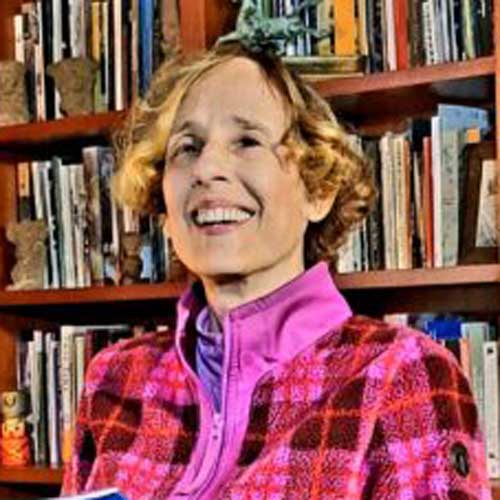
Next, two poems by Wilderness Sarchild from her book Old Women Talking. The first, “Roots,” pushes back at the very concept of Jewish American Heritage Month.
It’s hard to know your roots
when your ancestors
were forced to leave
every place they ever lived.
When your ancestors—
six million of them—
were incinerated in gas ovens.
When those that survived
would never talk
about the past.
It’s hard to know your roots
though they live
in the shape of your nose,
in your longing and despair,
a way of speaking,
a way of thinking,
a way of looking over your shoulder,
always prepared
to run
“Roots,” Wilderness Sarchild. In her poem “Apathy 101,” Wilderness writes about living in a world in which—unlike the one George Washington imagined—you’re always trying to negotiate your place.
It wasn’t in me, caring about the world.
I was too busy learning
to mind my own business.
Born in the 40’s,
it was a dangerous
time to be Jewish.
Better to pretend,
get a nose job,
button cute and turned up like Mary Perkins,
dye your hair blonde,
laugh at Jew jokes,
even tell them.
Even my protestant first husband,
after I left him,
told our young children
he was going to have them baptized
so they wouldn’t go to hell.
To this day I am overly generous with money
because I am afraid, otherwise,
you might think I “jewed” you.
It’s hard to care about the world
when you’re busy protecting
your place in it.
Wilderness Sarchild’s poem “Apathy 101.”
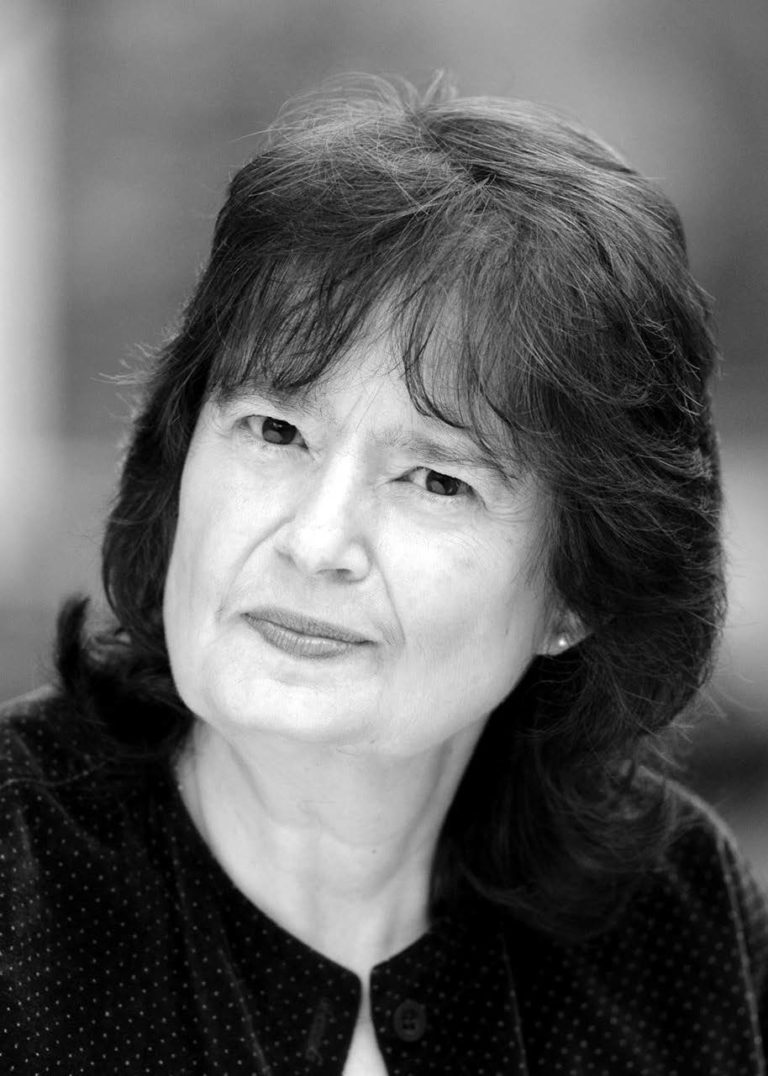
Despite all those anxieties and ambivalences, identity is important. Fran Markover writes about the sense of comfort and security that comes from “Learning Hebrew at Age 67.”
There’s something reverential about the block forms like
kneeling at a stone wall. Sometimes the choking sounds
are sobs for stories of my heritage. Some tones are music,
slow me down with murmurings. Mostly, I’m five again
pointing out letters – bet בּ solid as a foundation for home
or aleph ﬡ strong, silent until it shouts with ahs and oohs
for the awe of another day. A few letters rest against each
other, remind me to pause, honor those who’ve passed –
family with singsong voices I’ve broken bread with. They’d
be stunned to hear their relative, who once rejected every-
thing Jewish, struggling with Hebrew consonants and vowels.
How I trace shapes with my fingers as if I’m reading lifelines.
It’s amazing the way these letters have traveled far through
the years like gimmel ג sturdy, proud, booted, looking like
a man who’s journeyed from Ukraine’s bread-basket to sun-
flowered fields of upstate New York. Letters holding hands
with each other – syllables so powerful Grandfather rocked
back and forth whispering them, wrapping his tallith across
his shoulders. He’d be pleased I practice, finesse letters side
by side to make a word or two like my first one – Baruch –
blessed – good place to begin, an offering for everyone I love
or an ending – Baruch – when the moon writes its nightly
scripts, divine sparks scribbled as with a child’s unsure hand.
Fran Markover’s poem “Learning Hebrew at Age 67” from her book Grandfather’s Mandolin.
To buy Dennis, Wilderness, or Fran’s books, to subscribe to, donate to, or learn more about Passager and its commitment to older writers, visit passagerbooks.com.
Passager offers a 25% discount on the books and journal issues featured here on Burning Bright. Visit our website to see what’s on sale this week.
I’d like to read more, but I have to go out and water my garden.
For Christine, Rosanne, Mary, Asher, and the rest of the Passager staff, I’m Jon Shorr.
Due to the limitations of online publishing, poems may not appear in their original formatting.