Vesuvius and Catastrophe
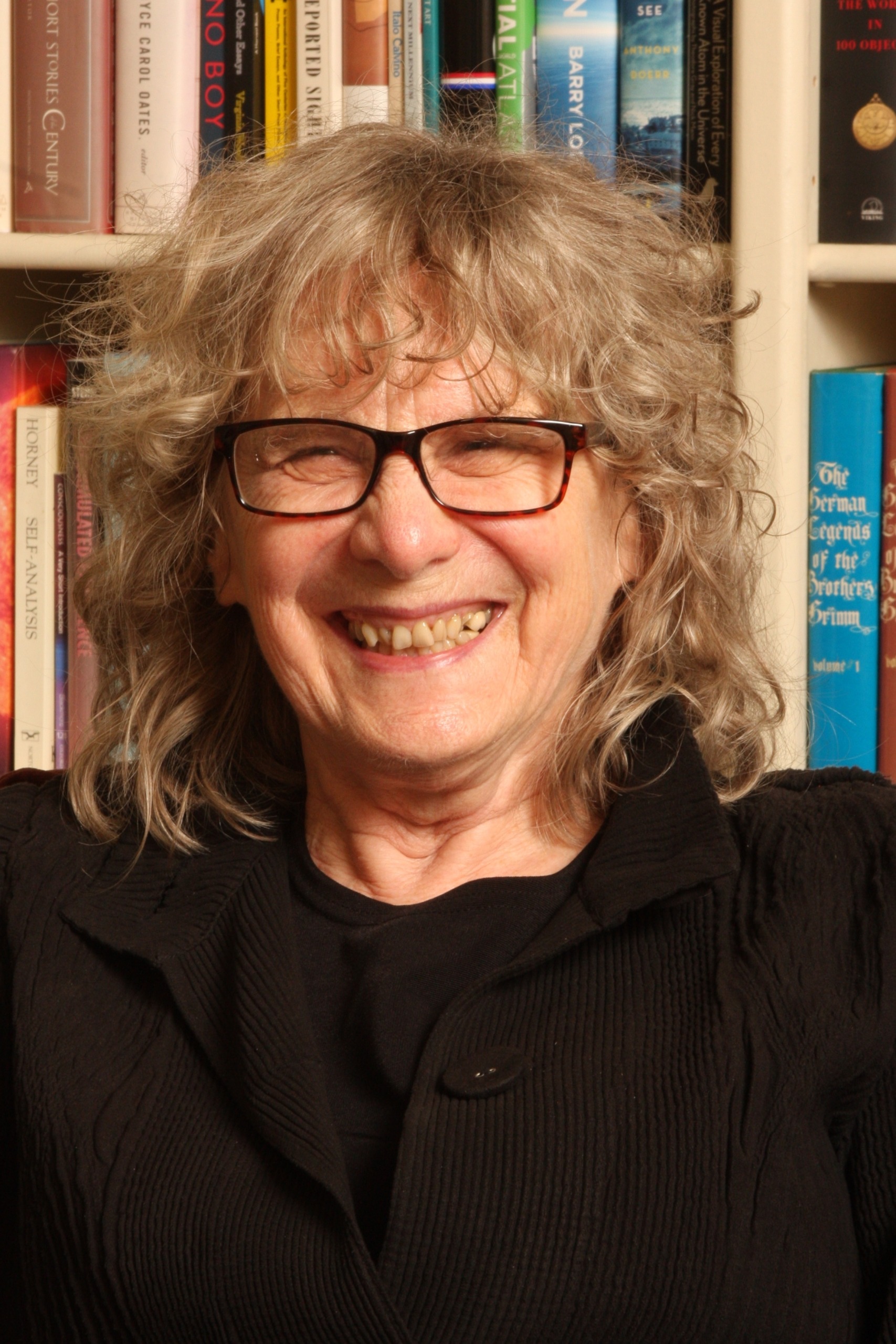
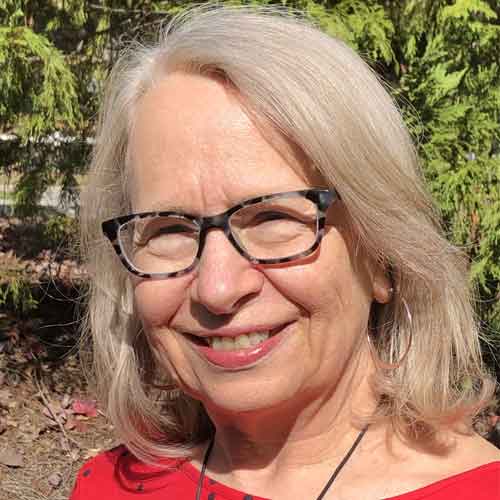

Burning Bright returns with a look into catastrophes both personal and physical, featuring poetry by Priscilla Long, Leah Silverman, and James K. Zimmerman.
TRANSCRIPT
For this first podcast since July, I was going to focus on summer: the natural beauty, the heat, the vacations, the time off school. But then I read that August 24 was the anniversary of the eruption in the year 79 of the eruption of Mt. Vesuvius and the subsequent destruction of the Roman resort town of Pompeii. And suddenly, it seemed like this episode of Burning Bright should be about catastrophes. Unlike Vesuvius, though, the catastrophes I’m going to share with you are more personal, catastrophes that left their victims scarred for life, not with ash and rocks and lava, but with memories.
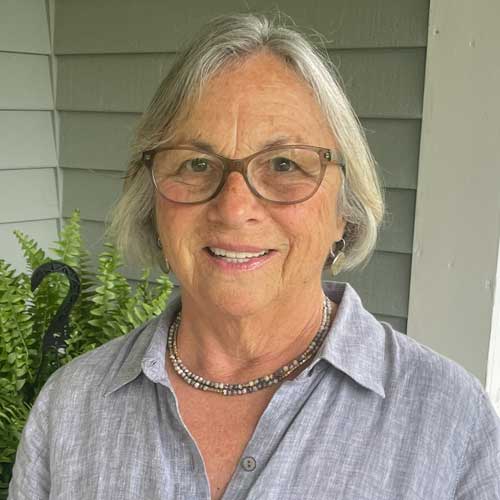
Priscilla Long said she and her sister and brother grew up together, playing for all the years of our childhood. She said she wrote this poem to remember him by: “Brother/3.”
My brother, an aficionado of physics
and fine whiskey, a reader of philosophy
and history, after his liberation
from a Florida jail, took the train
to New York to see La Boheme,
Rigoletto, La Traviata. He arrived
in New York. The first message
came from a VA hospital. He’d given
them my number. His address:
“on the street.” I begged him:
“Let them help you!” He hung up.
Next, Harlem Hospital. He’d been there,
homeless, filthy, robbed of ID. I waited
for the next message. Bellevue Hospital
saved his life. Delegated by family,
I sent him the fine objects he preferred,
for he was speaking to me. The final
message: he died alone in a hospital.
Did he know his time was near?
What were his last thoughts?
He’s buried beside the wife he used
to beat. No one wants his childhood
photos. I wear his Rolex. Time wears down.
This rain-soaked night I dream my brother,
friend to me. He arrives but never speaks.
Priscilla Long’s poem “Brother/3” from Passager‘s 2025 Poetry Contest.
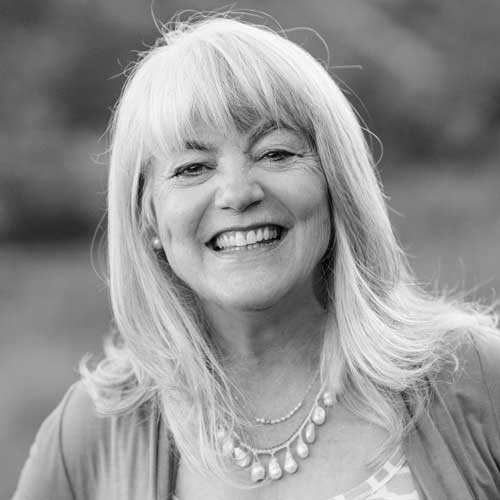
Leah Silverman said she grew up amidst the chaos of alcoholism and violence. She said one of her family’s Passover seders linked spring and family trauma in a way that for years, the advent of the holiday caused me anxiety and depression. Here’s her poem “You’ll Remember the Blood.”
That one Passover when whatever it was that happened, happened,
you were eight, unless you were nine or ten,
older than the flowering viburnum next to the front porch,
its cloying fragrance soon to be a bile-raising ghost of a seder
that ended significantly before Elijah could even step over the threshold.
“Why is this night different from all other nights?”
your youngest sister, unless it was your youngest brother, was supposed to ask.
As the eldest, you didn’t have that honor, you never will.
Instead, you’ll be blessed with the curse of knowing that
to fill that cavernous hole in your history
asking only four questions is barely a beginning.
You’ll remember the blood, always,
wondering if your mind drained it from the Paschal Lamb
and smeared it on your mother instead of the doorpost,
if the wooziness you felt was from what you witnessed
or from handfuls of wine-drenched charoset pilfered from the refrigerator
while your mother, who sneaked her own wine from a jug, made matzoh balls, brisket, and
soup.
You’ll feel the adrenaline surge but not understand why,
when, in your kitchen, in anyone’s kitchen,
a carving knife on the counter is bathed in a floodlight only you can see.
You won’t remember the gurney, if it was a gurney, being lifted out the front door,
past the viburnum, over the concrete porch where you swept the deck with jacks.
You’ll forget the body and the ambulance, if indeed they existed,
until well after your mind decides you’re strong enough to withstand floods of other memories,
the kind that seep through your psyche to cleanse you of the shame
rendered by your father’s desecration of your innocence.
What you will hold close, though, no matter how distant from
the house where whatever it was that happened, happened,
is how your mother celebrated spring.
Pink and purple hyacinths wrapped in wet paper napkins and Reynolds Wrap
to survive your walk to first grade and Mrs. Mack.
Lilac and forsythia bursting in bunches from a milk bottle on the shelf.
Her palm, close to your face, so you could see the slip of speckled blue eggshell.
A rebirth, she said. A new beginning.
And one day you will realize that you no longer retch at the viburnum’s redolence
but bend deeply toward the bundles of lush white blossoms and inhale.
From Passager’s Issue 74 the trauma issue, “You’ll Remember the Blood,” Leah Silverman.
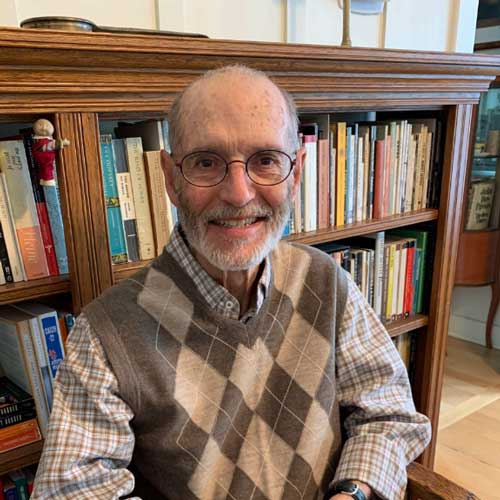
Next, from Passager’s 2022 Poetry Contest issue, James K. Zimmerman’s poem “D-Day.”
my father was not
allowed to kill – his
feet too flat, they said –
to face the bullets,
the mortars, to die on
the beach, to have
his legs blown off
his mind torn open
not allowed the chance
to save a nation’s soul
or his own
he lived through his war
in Lake Charles, Louisiana
teaching pilots to escape
from drowning fighters –
they called them flying
coffins – and to keep
himself from drowning
he carried home the song
of zydeco and the smell
of shrimp etouffée, star
and bar on his shoulders,
officer’s certificate from
Yale, chest full of pride
when the war was over
to the bodies of both
his parents, crushed
by a careening Packard,
his mind torn open
his war never to end
James K. Zimmerman’s “D-Day.” He said his grandparents’ deaths tore his father’s life apart and cast a pall over the family for generations.
To subscribe to, donate to, or learn more about Passager and its commitment to older writers, visit passagerbooks.com. Passager offers a 25% discount on the books and journal issues featured here on Burning Bright. Visit our website to see what’s on sale this week.
Mount Vesuvius erupted last in 1944, and experts believe it could erupt again at any time.
Catastrophe… It could erupt again at any time.
For Christine, Rosanne, Mary, Johnny, and the rest of the Passager staff, I’m Jon Shorr.
Due to the limitations of online publishing, poems may not appear in their original formatting.