It’s Cold
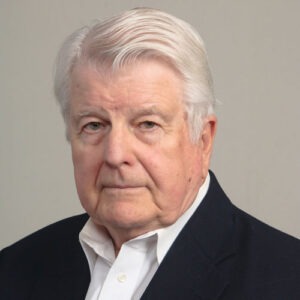
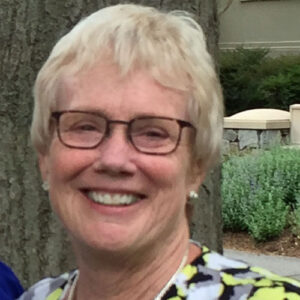
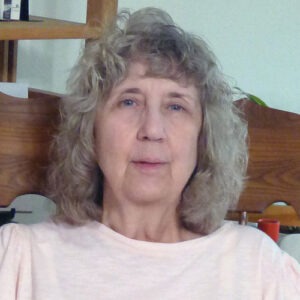
Celebrating Robert Service’s birthday, with poems by Rebecca Leet, John J. Hohn, and Pamela Wynn.
TRANSCRIPT
January 16 is Robert Service’s birthday. Robert Service was born in Lancashire England but spent time in and fell in love with the American and Canadian Northwest. He was inspired by stories about the Klondike Goldrush at the end of the 19th Century and became known as The Bard of the Yukon for the poems he wrote that were set there. His two best known and best remembered were “The Shooting of Dan McGrew” and one of my all-time favorites that starts and ends like this:
There are strange things done in the midnight sun
By the men who moil for gold;
The Arctic trails have their secret tales
That would make your blood run cold;
The Northern Lights have seen queer sights,
But the queerest they ever did see
Was that night on the marge of Lake Lebarge
I cremated Sam McGee.
In honor of “The Cremation of Sam McGee” and Robert Service’s birthday, some pieces about the winter’s cold.
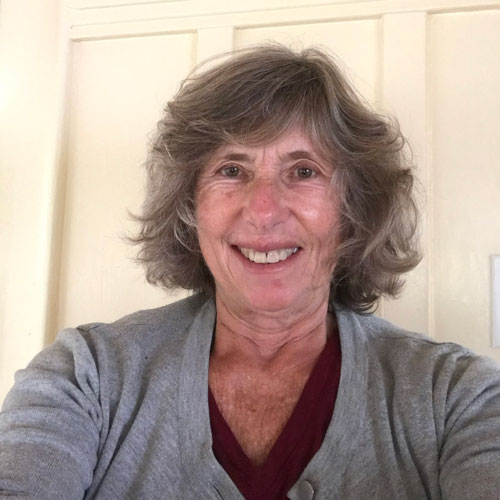
We’ll start with Rebecca Leet’s poem “Buried Sound” from the Winter, 2017 issue of Passager. Rebecca said the poem was sparked by watching a robin tilt its head, seemingly listening hard to determine if there was a worm underground. She said, “Research informed me that, contrary to what most people think, robins locate worms more by sight than sound, so I changed it to an owl.”
What does a great gray owl hear
when a mouse burrows two feet
under Arctic snow? Sound like
a skater scraping ice or the dull
grind of a garden auger? Does noise
echo as though reverberating off
culvert walls? If I could invade
the sanctum of others’ buried thoughts,
what vibrations might I hear – would
a lover’s unspoken anger crackle
like distant lightening, a friend’s private
judgment groan like an old door closing?
Rebecca Leet’s poem “Buried Sound.”
John J. Hohn grew up in South Dakota and Minnesota. He said this next poem “flows from my experience walking the four blocks after work from the bus stop to my home on a winter night in Detroit in the late 1960s.” He said, “The physical setting for the piece is exactly as I found it. Trudging from darkness and back into the light with each successive streetlight created the same rhythm of sunrise-sunset, with the cycle repeating as it does in life, ending ultimately with my arrival home.” Here’s John’s poem “Winter Night Trek.”
Stepping into the late hour,
leaving thoughts of work
behind me on the overheated bus,
I start for home.
The rain the night before,
freezing as it fell,
glazed the trees and shrubs and grass –
twigs thick as my thumb.
Streetlights spun shining branches
into corded silver nets
that crackled in the wind
like fire overhead.
My shadow falls in behind me
as I approach each light
and mounts my shoulders
the instant I pass under
the flush of radiance,
then drops to earth
and stretches slowly full-length
on the snow-slick path ahead,
as if burdened with concerns
that outpace my gait.
He must age
faster than I
on nights like this,
stringing my vagrant thoughts
through the glistening webs,
while I lean into the gusts below,
trudging into darkness
at mid-block,
my feet crunching in the cold
beneath the icy rage.
At last, a final light
as I reach home.
It will draw my stalker
from the dark,
and together
we enter in.
From Passager’s 2024 Poetry Contest issue, “Winter Night Trek” by John J. Hohn.
Pamela Wynn said that although she’s a long time resident of Minnesota, she grew up among religious farm folk in the southern U.S. where there was often talk of “signs” regarding weather, crops and matters of faith. She said her father’s life was rooted in that culture, and her poem “Signs of a Hard Winter Coming” grew out of her father’s death.
The poem begins with this quote from Sara Baume’s novel Spill Simmer Falter Wither: “Meaning doesn’t exist unless you look for it” spill simmer fall.
our father was a long time dying
today in muddled light
we wait
the ground must thaw
a queue has formed
who knew so many would die this week?
our father was always on time
never early never late
and here he is
at the end
in the back
of a slow-moving line
my father believed in signs
this is what I saw on the day he died
wood peckers sharing a dying pine
geese bidding adios early
hawthorns loaded with red haws bright as blood
wax thickened on wild crabapples
my father is dead
leaving just enough light
to make darkness visible
this is a sign
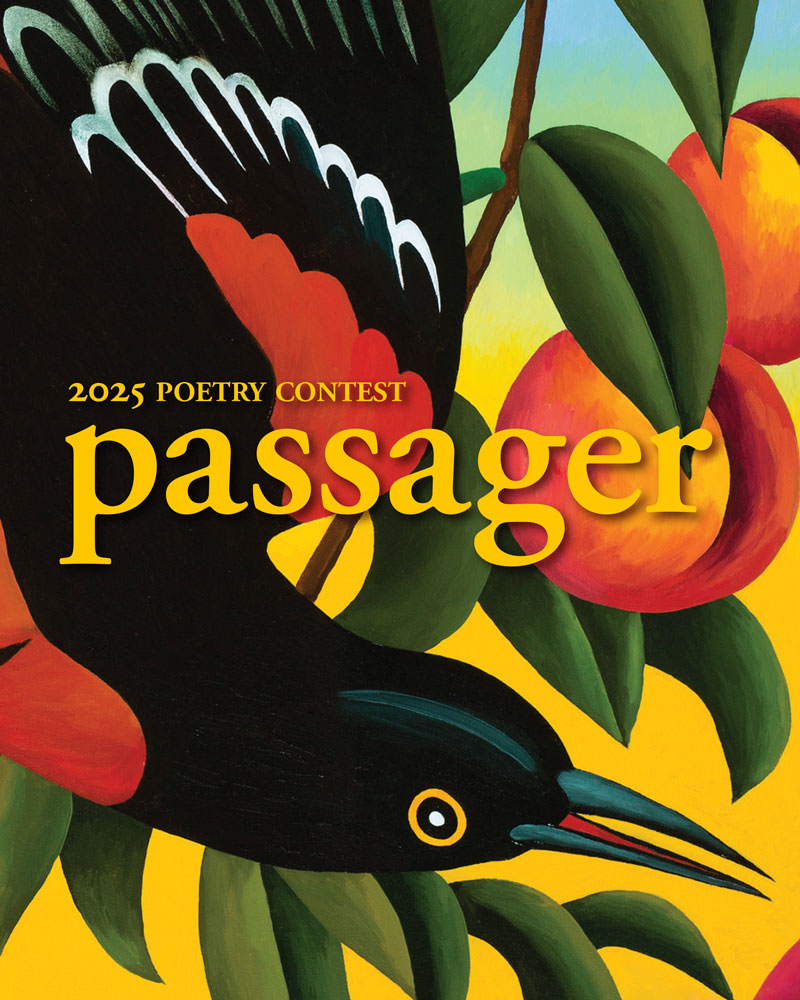
Pamela Wynn’s poem “Signs of a Hard Winter Coming” from Passager’s most recent issue, the 2025 Poetry Contest issue.
Even as we’re suffering the winter’s cold, we know that it won’t last forever. Leo Tolstoy said, “Just as one candle lights another and can light thousands of other candies, so one heart illuminates another heart and can illuminate thousands of other hearts.”
To subscribe to, donate to, or learn more about Passager and its commitment to older writers, visit passagerbooks.com.
Passager offers a 25% discount on the books and journal issues featured here on Burning Bright. Visit our website to see what’s on sale this week.
For Christine, Rosanne, Mary, Asher, and the rest of the Passager staff, I’m Jon Shorr.
Due to the limitations of online publishing, poems may not appear in their original formatting.