Gay Pride
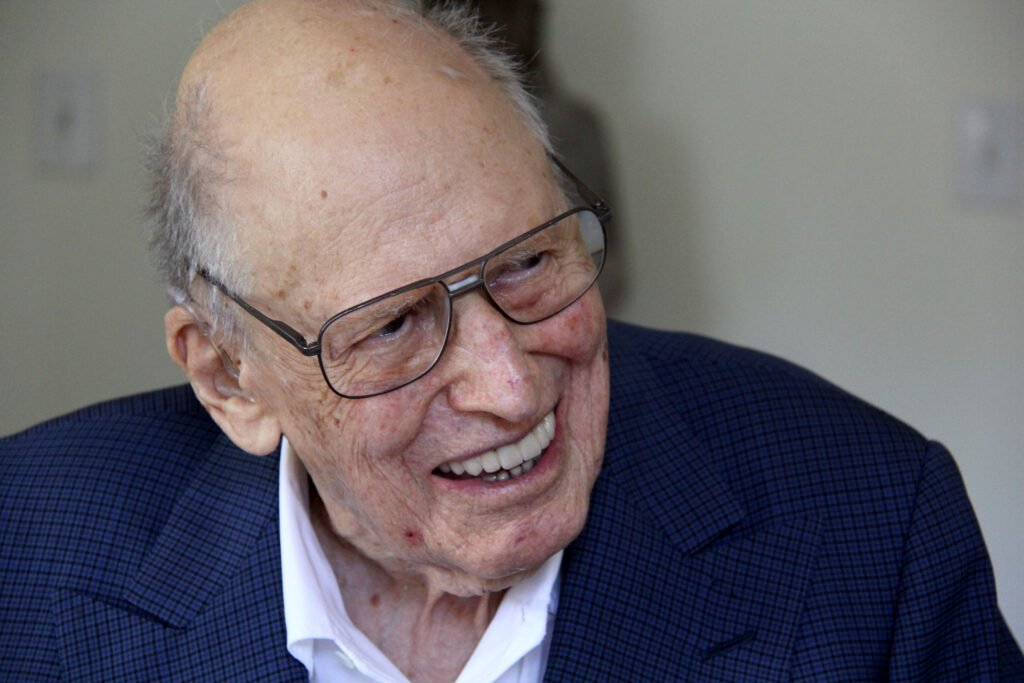
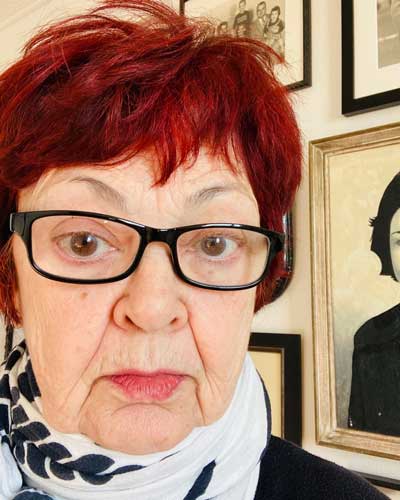
An exploration of love, loss, and the LGBTQ+ community’s resilience over the decades, featuring pieces by Henry Morgenthau III, Karen Hones, and Charles Becker.
TRANSCRIPT
We were so busy in June building podcasts around other anniversaries and events that we missed Gay Pride Month. So let’s celebrate it this week on Burning Bright.
And at the same time we celebrate Gay Pride, seeing more people taking pride and ownership in their sexual preferences and gender identity, we know that there are still a lot of people, especially older people, for whom making that identity public—or even admitting it to themselves—isn’t so easy.
In Henry Morgenthau III’s poem “The Half-Open Door,” we hear the narrator wrestling with that.
While listening to the moaning
of a ghostly choir of lost lovers,
I try to tell you the truth,
half hoping you don’t hear me,
as I desperately try to expel
something stuck in my soul
but don’t want to die with.
With a furtive sideways glance
I peer through a half open door, to behold
a body gnarled like an old cherry tree.
Exposed shaft at half-mast,
he stands between an iconic David,
beautiful in his awkward adolescent grace,
and a redolent overripe Schiele harlot.
As though in a pas de deux,
he moves as I move.
Is he my partner or my mirror image?
When the mirror shatters, the truth will out,
with half truth seen through a door half open.
“The Half Open Door,” Henry Morgenthau III, from his book A Sunday in Purgatory.
For a lot of people, it’s hard to think of Gay Pride without remembering the AIDS epidemic. Before it was officially named Acquired Immune Deficiency Syndrome, the condition was called Gay-Related Immune Deficiency—GRID. Over the past 30 years, new medicines have been developed that have shifted AIDS from a virtual death sentence to a treatable, controllable condition.
Karen Hones dedicated her poem “Dear Friend, I Remember” to the memory of Tom Sullivan.
A typical night at The Stud: tall Buds, poppers
on the dance floor. You threw up the burrito
from La Rondalla; then we linked arms and stumbled
home to apartments that were side-by-side
Later under a full moon
we sat on the back porch. You said
I want someone to take care of me
just out of earshot of your lover Paul
who was busy making soup
I see you now as you were then
9the most beautiful boy from River Rouge)
backlit by moon light, a beer in one hand
an unfiltered Camel in the other
Already thin, you were soon
wasting away like the other young men
up and down Castro Street
They called it the “gay plague” and
if I’d known what was coming
I’d have numbed myself even more
Nothing could be done. You were gone.
Alone at home, the back door closed to keep the cat in,
I sat on a hard chair at the kitchen table
where we used to sit looking out at the coffin facotry
Lights went on in the hills
Fog covered the houses
gradually, like an erasure
From Passager’s Winter 2023 issue, “Dear Friend, I Remember” by Karen Hones.
During the COVID shutdown a few years ago, Passager included people’s journal entries in its issues. The pandemic reminded Charlie Becker of the height of the AIDS epidemic.
It’s strange how I feel like I’ve been through this before. I wonder if anyone else feels this way. Maybe that’s why I’m extra sad today. Back in 1982, when so many healthy gay young men started to pass away without warning, we all just held our breaths. Why was this happening to us? Doctors first named it “GRID.”
Every minute we looked for symptoms that might haunt us, like purple skin lesions or horrible night sweats. We lived in fear of each other but needed each other more than ever. We went to Louise Hay meetings for love and support. Even when the HIV test was developed there was still no treatment. Who wanted to know he had a strange new virus if there was no therapy? I didn’t. I was afraid to have the test for years.
My friends and I became celibate and avoided others who looked sick. Was it an epidemic or pandemic? I remember this went on for years until effective meds were created. But no vaccine has ever been developed. It sure sounds familiar to me today, all of this news about the coronavirus. But this time everyone is affected. We are all quarantined and living in fear.
Will my experience make me stronger? Will there be a cure? A vaccine?
From the “Pandemic Diaries” section of Passager’s 2020 Poetry Contest issue, a journal entry by Charlie Becker.
Three pieces from Passager to celebrate Pride month.
To buy Henry’s book A Sunday in Purgatory, to subscribe to, donate to, or learn more about Passager and its commitment to older writers, visit passagerbooks.com .
Passager offers a 25% discount on the books and journal issues featured here on Burning Bright. Visit our website to see what’s on sale this week.
Special thanks to Oberlin College intern Anli Tamaribuchi for researching, writing and helping edit this episode.
For Christine, Rosanne, Mary, Johnny, and the rest of the Passager staff, I’m Jon Shorr.
Due to the limitations of online publishing, poems may not appear in their original formatting.