Teachers
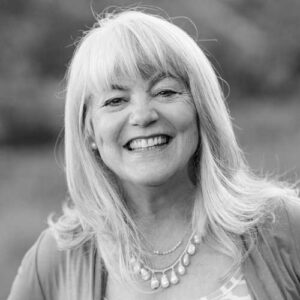
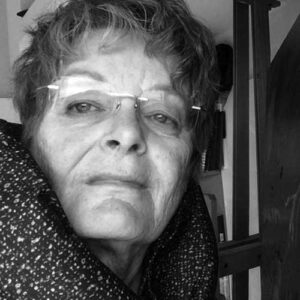
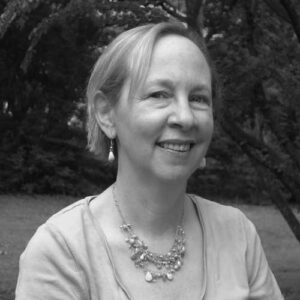
Celebrating the end of the school year with poems by Sarah Dickenson Snyder, Ilene Millman, Harriet Stratton, and Cathleen Cohen.
TRANSCRIPT
We’re coming to the end of the school year, and you know what that means: “No more pencils, no more books, no more teachers’ dirty looks!” We probably felt that way when we were in elementary and high school. But as adults, we know that much as they love their jobs and their mission to educate children, teachers need a break, too. This time of year, teachers are grading, cleaning out their students’ lockers, turning in their grades, packing up their rooms, and looking forward to a little time off. On this episode of Burning Bright, some pieces written by people who spent at least part of their careers as teachers.
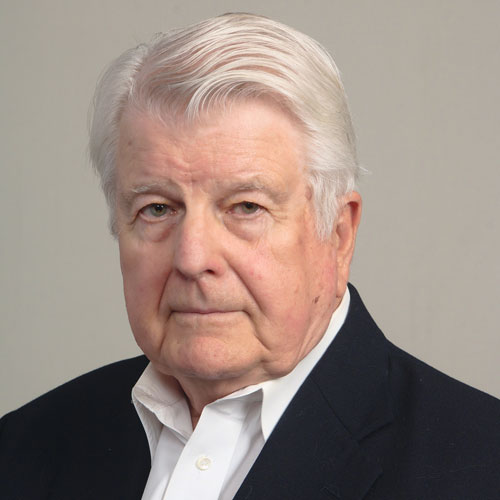
Sarah Dickenson Snyder said that after teaching for 40 years, she started traveling more and found that it opened her eyes in new ways. Here’s Sarah’s poem “On a Boat in Doubtful Sound, New Zealand.”
The fiords open into the Tasman Sea,
its sinking and rising, a gesture of breath.
Baby seals nudge themselves
up to a rocky surface.
A pod of dolphins appears
in our wake, taut bodies
regal and beaded with sea.
Then the engines cut,
the boat stills and drifts
in a monastery
of hush – all sky, sun,
clouds, birds, and the ocean
frothing against the steep sides of earth.
How I grieve the leaving sun –
everything silhouette before the end.
From Passager’s 2025 Poetry Contest issue, Sarah Dickenson Snyder’s “On a Boat in Doubtful Sound, New Zealand.”
As a speech and language therapist for 40 years, Ilene Millman said she taught literacy skills to children who learn differently. Here’s Ilene’s poem “Text Neck”.
Sit up straight
my mother said
time & again when
she spotted me – moon-shaped arc
angled over book or yellow pad.
What she meant was:
skeleton and skin,
our bodies accept habitual placement.
She’d be delighted to find
new evidence, pregnant with implication:
plunked
now in existential twilight glowing
from the faces of tiny screens
butts planted,
heads canted forward
we are growing spikes –
like a horn, a hook, a beak,
stalactites at the base of our skulls
just above the neck –
penetration
of technology
leaving a distinctive sign-off?
Eric Fromm said we shape
our tools & then
our tools shape us.
My mother said
to expect something
from yer flesh and senses,
ya need to keep your head up.
From Passager’s Winter 2020 issue, Ilene Millman’s poem “Text Neck.” She said she discovered the term in a 2016 Journal of Anatomy article that said, “A growing number of young people have developed a bony external occipital protuberance thought to be a response of the body to smartphone use, a condition dubbed “textneck.”
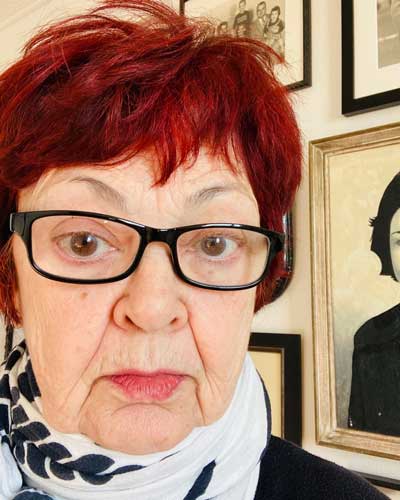
Harriet Stratton studied, practiced, and taught Fine Arts as a profession. She got back to writing poetry when she retired from public school teaching. Here’s a poem she wrote based on a memory of her parents on their cattle ranch in the sandhills of Colorado. “While Making Fence with My Father.”
I carry the red Hills Brothers coffee can half full
of u-shaped fence staples. He picks out four at a time
to nail each strand of stretched wire to a cedar post.
On the tailgate, we eat a sandwich. He uncorks his thermos.
I kneel in the sand sifting dry silk through 3rd grade fingers.
That’s how I find the tiny clam shell – far from any obvious shore.
I raise the fossil to my father’s smile. He sweeps his arm
across the sandhill prairie . . . once this was water
. . . you’re sitting on the bed of an ancient sea.
Something stirred in me then, a tingling like a root
fluorescing at a depth below time . . .
I think I began to feel how it is to think.
As if a camera that had been focused on me backed away
and through the lens, young dad, and me and the blue pickup
appeared as an island in the ocean of grass.
As my vision receded further into space, I became
but a thin grain on a shoreline circumscribing what I knew
surrounded by a waving sea of all that there is unknown.
Harriet Stratton’s poem “While Making Fence with My Father” from Passager’s 2020 Poetry Contest issue..
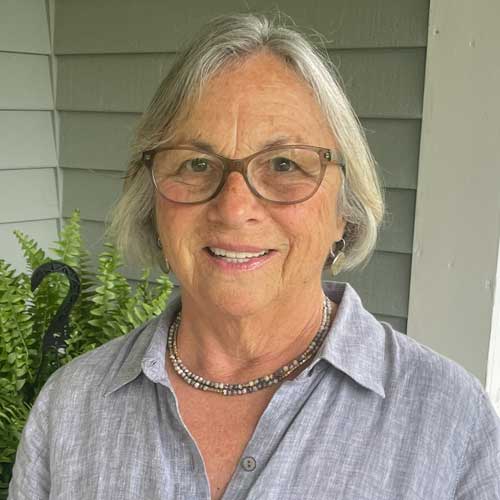
This next poem is also from Passager’s 2020 Poetry Contest issue. Cathleen Cohen said she’s taught poetry to thousands of students from many Philadelphia neighborhoods, faith communities and backgrounds through the “We the Poets” program. She said it’s essential to support and nurture creative expression in children, to hear their stories. Here’s Cathleen’s poem “Naming.”
My daughter and her wife rescued
a tomcat
to companion the sweet, aged female
who prowls through their house.
Eli, our grandchild (age 4)
named the cat
Samuel
then declared it
a girl.
Lately we’ve been crawling
beside the felines
comparing their underbellies
with reference photos.
But Eli insists
as if
enlightened in a dream.
He says
Samuel will tell us
she’s a girl
when she’s older.
“Naming,” Cathleen Cohen.
If you’re related to or know any K-12 teachers, thank them for their hard work over the past school year. You might even offer to buy them a cup of coffee—or something stronger.
To subscribe to, donate to, or learn more about Passager and its commitment to older writers, visit passagerbooks.com.
Passager offers a 25% discount on the books and journal issues featured here on Burning Bright. Visit our website to see what’s on sale this week.
For Christine, Rosanne, Mary, Asher, and the rest of the Passager staff, I’m Jon Shorr.
Due to the limitations of online publishing, poems may not appear in their original formatting.
Not pictured: Ilene Millman